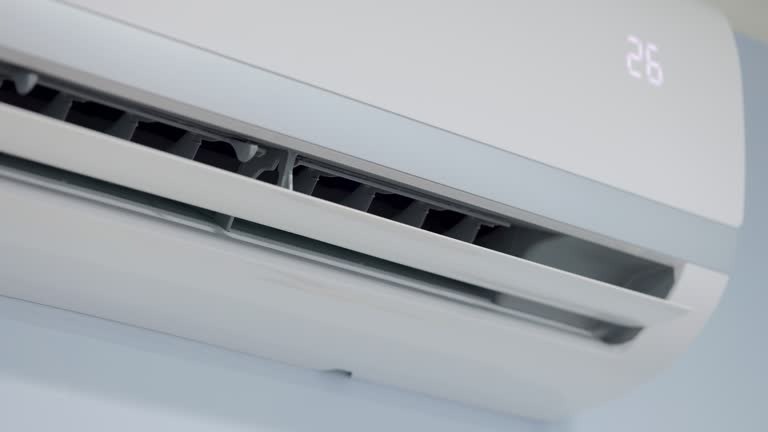

Understanding the crucial role of ductwork in managing indoor comfort and humidity is essential for maintaining a healthy and pleasant living environment. Ductwork serves as the pathway through which conditioned air travels from heating, ventilation, and air conditioning (HVAC) systems to various rooms inside a building. The design, installation, and maintenance of ductwork directly influence how effectively a space is cooled, heated, and ventilated, thus impacting overall comfort levels and humidity control.
Properly designed ductwork ensures that air is distributed evenly and efficiently throughout the home or office. When ducts are well-sealed and insulated, they prevent air leaks that can cause temperature inconsistencies and reduce the HVAC system’s efficiency. Leaky ducts read service details may allow conditioned air to escape into unconditioned spaces like attics or crawl spaces, making it harder to maintain desired temperatures and increasing energy costs. Furthermore, inadequate duct design can lead to uneven airflow, creating hot or cold spots that compromise comfort.
Humidity control is a critical aspect often managed by ductwork and the HVAC system working in tandem. Air conditioning units naturally reduce indoor humidity by cooling the air, which causes moisture to condense and drain away. However, if ductwork is improperly sized or poorly insulated, it can cause condensation within the ducts or fail to transport air at the right temperature and humidity levels. This can lead to elevated indoor humidity, which contributes to discomfort, mold growth, and potential damage to building materials.
Regular maintenance and inspection of ductwork are essential to ensure optimal performance. Any blockages, leaks, or damage should be addressed promptly to maintain air quality and system efficiency. Cleaning ducts removes dust, allergens, and potential mold buildup, which also improves indoor air quality and reduces the risk of respiratory issues. Additionally, professional technicians can evaluate whether your duct system is balanced and properly configured to support both temperature control and humidity regulation.
In summary, ductwork plays a vital role in controlling both comfort and humidity within indoor spaces. Effective duct design, sealing, insulation, and maintenance contribute to consistent temperature distribution, energy efficiency, and healthy humidity levels. Homeowners and building managers should prioritize the condition of their duct systems to ensure their HVAC units operate smoothly and maintain a comfortable, healthy atmosphere year-round.