Category: Product

  • Commercial Refrigeration Solutions for Modern Businesses

    Commercial Refrigeration Solutions for Modern Businesses

    Commercial refrigeration plays a crucial role in the operations of modern businesses, especially those in the food service, retail, and hospitality industries. Efficient refrigeration solutions ensure that perishable goods remain fresh, reduce waste, and maintain product quality. As businesses evolve to meet customer demands and sustainability goals, commercial refrigeration systems have advanced significantly to offer enhanced performance, energy efficiency, and adaptability.

    Modern commercial refrigeration units are designed with cutting-edge technology that optimizes temperature control while minimizing energy consumption. This is essential for businesses aiming to reduce operational costs without compromising on food safety standards. Innovations such as variable speed compressors and smart defrost cycles contribute to these improvements by adjusting cooling power based on real-time needs rather than running continuously at full capacity. Additionally, eco-friendly refrigerants have replaced older substances that were harmful to the environment, helping companies comply with stricter regulations and demonstrate corporate responsibility.

    Flexibility is another key feature of contemporary refrigeration systems. Businesses often require customized solutions tailored to their specific space constraints and product types. Modular units allow for easy expansion or reconfiguration as business needs change over time. For example, restaurants might need walk-in coolers combined with under-counter refrigerators near cooking stations for quick access during busy hours. Retail stores benefit from display cases designed not only for optimal preservation but also attractive presentation that encourages sales.

    Maintenance has also become more manageable due to advancements in monitoring technology embedded within many commercial refrigerators today. Remote diagnostics enable operators or service technicians to track system performance continuously through digital platforms. Early detection of potential issues helps prevent costly downtime by allowing timely repairs before failures occur. This proactive approach enhances reliability while extending the lifespan of equipment investments.

    Energy efficiency remains a top priority since refrigeration accounts for a significant portion of utility expenses in commercial settings. High-efficiency LED lighting inside refrigerated displays reduces heat generation compared to traditional bulbs while improving visibility for customers and staff alike. Improved insulation materials minimize thermal exchange between cold interiors and warmer external environments further lowering energy use.

    In conclusion, modern Commercial Refrigeration solutions provide businesses with reliable temperature control combined with energy savings and operational flexibility necessary in today’s competitive markets. By adopting advanced technologies focused on sustainability and customization, companies can protect their products effectively while optimizing costs throughout the supply chain process from storage through final sale or service delivery points.

  • Smart Mini Split Systems Designed for Maximum Comfort

    Smart Mini Split Systems Designed for Maximum Comfort

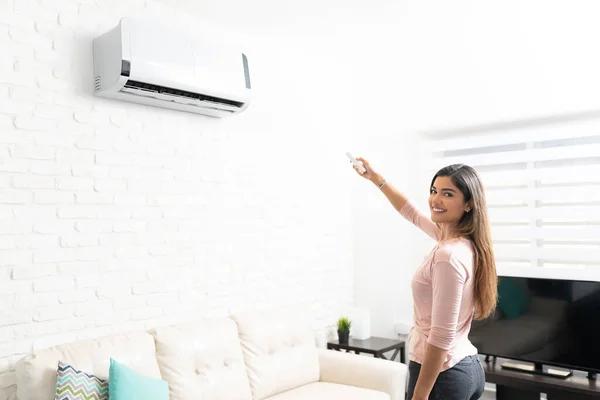
    Smart mini split systems have become increasingly popular as a solution for efficient and flexible climate control in residential and commercial spaces. These advanced units combine the benefits of traditional HVAC systems with modern technology, offering users superior comfort tailored to their specific needs. Unlike conventional central air conditioning, mini splits do not require extensive ductwork, making installation simpler and less invasive. This feature is particularly advantageous for older buildings or rooms where adding ducts would be impractical or costly.

    One of the defining characteristics of smart mini split systems is their ability to provide zoned heating and cooling. Each indoor unit operates independently, allowing occupants to set different temperatures in various rooms according to personal preferences. This zoning capability enhances energy efficiency by cooling or heating only occupied areas rather than an entire building, ultimately reducing utility bills while maintaining optimal comfort levels.

    The integration of smart technology elevates these systems beyond basic temperature control. Many models come equipped with Wi-Fi connectivity and can be managed through smartphone apps or voice-controlled devices such as Amazon Alexa or Google Assistant. Users can monitor system performance remotely, adjust settings on the go, schedule temperature changes based on daily routines, and receive maintenance alerts that help prolong equipment life. These features contribute significantly to convenience and ensure that indoor environments remain comfortable without constant manual adjustments.

    Energy efficiency is another crucial aspect of smart Mini Split systems designed for maximum comfort. These units often utilize inverter-driven compressors that modulate power consumption according to real-time demand instead of operating at full capacity continuously. This modulation reduces energy waste while delivering consistent temperatures more precisely than traditional fixed-speed compressors. Additionally, many models are ENERGY STAR certified, meeting strict guidelines for environmental impact without compromising performance.

    Noise reduction also plays an important role in user satisfaction with smart mini splits. Manufacturers employ sound-dampening technologies within both indoor and outdoor components to minimize operational noise levels compared to older HVAC solutions like window units or portable air conditioners. Quiet operation ensures that living spaces remain peaceful even when the system runs continuously during extreme weather conditions.

    Maintenance requirements for these systems tend to be straightforward due to accessible filters and self-diagnostic functions built into smart controls. Regular cleaning combined with timely alerts helps prevent common issues before they escalate into costly repairs or downtime.

    Overall, smart mini split systems represent a forward-thinking approach toward home comfort by combining flexibility, intelligent controls, energy savings, quiet operation, and ease of upkeep into a single package tailored for today’s lifestyle demands.

  • Why musicians are choosing the harp guitar today

    Why musicians are choosing the harp guitar today

    In recent years, the harp guitar has been gaining notable attention among musicians across various genres. This unique instrument offers a distinctive blend of traditional guitar elements with additional strings that extend its range and versatility. Musicians are choosing the harp guitar today because it provides an expanded sonic palette that cannot be achieved with standard guitars alone. The combination of fretted and unfretted strings allows artists to explore new harmonic possibilities and create richer, more complex arrangements in both live performances and studio recordings.

    One of the primary reasons for this growing interest is the instrument’s ability to produce deep bass notes alongside regular guitar tones. The extra bass strings resonate sympathetically or can be plucked independently, adding layers of depth without needing multiple instruments or electronic effects. This feature appeals particularly to solo performers who seek to fill sound space while maintaining a compact setup. It also enables composers and songwriters to experiment with textures that enhance storytelling through music.

    Moreover, the harp guitar‘s aesthetic appeal contributes significantly to its rising popularity. Its elegant design often combines craftsmanship from luthiers specializing in custom builds, attracting musicians who value both sound quality and visual artistry. Playing such an instrument on stage creates a memorable impression on audiences, blending tradition with innovation seamlessly.

    Technological advancements have made these instruments more accessible than before as well. Historically considered niche or rare due to their complexity and cost, modern manufacturing techniques have reduced barriers for aspiring players interested in exploring this hybrid form. Online communities dedicated to harp guitars provide resources ranging from tutorials to forums where users share experiences about maintenance, playing styles, and repertoire development.

    Furthermore, contemporary music trends emphasize genre fusion and experimentation; thus, artists are drawn toward tools that allow them greater creative freedom. The harp guitar fits naturally into folk, jazz, classical crossover projects as well as progressive rock or ambient music scenes where unusual timbres enrich compositions.

    Educational institutions have started incorporating harp guitars into their curricula too-recognizing how mastering such an instrument broadens technical skills like finger independence and dynamic control over multi-string setups.

    In summary, musicians today choose the harp guitar because it expands musical expression through extended range capabilities while offering striking aesthetics combined with increasing accessibility thanks to modern production methods. Its versatility suits diverse styles encouraging innovation within performance practices making it a compelling choice for those seeking fresh sounds beyond conventional guitars’ limitations.