Category: Technology

  • Castle App: A Closer Look at Its User Experience

    Castle App: A Closer Look at Its User Experience

    Castle App offers a distinctive approach to personal finance management, and its user experience plays a crucial role in how effectively users can engage with its features. From the moment users launch the app, they are met with an intuitive interface designed to simplify complex financial data. The clean layout avoids overwhelming visuals, allowing individuals of varying financial literacy levels to navigate comfortably. This clarity is essential because it encourages consistent use without causing frustration or confusion.

    One of the standout aspects of Castle App’s user experience is its onboarding process. New users are guided through setting up their accounts and connecting bank information seamlessly. The prompts are clear and concise, minimizing technical jargon that could deter less experienced users. Additionally, security notifications assure users that their sensitive data is protected, fostering trust early on. This thoughtful introduction sets a positive tone for continued engagement.

    Once inside the app, tracking expenses becomes straightforward due to well-organized categories and real-time updates. Transactions automatically sync from linked accounts and are categorized intelligently, reducing manual input requirements. Users can customize these categories if needed, which adds flexibility while maintaining ease of use. Visual representations such as graphs and charts help translate raw numbers into understandable insights about spending habits over time.

    Budgeting tools within castle app further enhance user interaction by providing actionable recommendations based on individual financial behavior. These suggestions appear contextually rather than as intrusive alerts, making them feel like helpful advice rather than pressure tactics. The ability to adjust budgets dynamically ensures that plans remain realistic as circumstances change throughout the month.

    Customer support access is embedded thoughtfully within the app’s design as well; help options are easy to locate without cluttering primary functions. When questions arise or issues occur, quick responses contribute positively to overall satisfaction with the service.

    Despite these strengths, there is room for improvement in terms of customization depth for advanced users who desire more granular control over analytics or reporting features. While simplicity benefits most people seeking straightforward money management solutions, power users might find some limitations in tailoring reports exactly according to their preferences.

    Overall, Castle App succeeds in delivering a balanced user experience that caters primarily to everyday consumers aiming for better financial awareness without unnecessary complexity. Its blend of accessibility, security emphasis, real-time tracking capabilities, and supportive budgeting guidance creates an environment where managing finances feels manageable rather than daunting. As digital finance tools continue evolving rapidly across platforms worldwide, Castle App stands out by prioritizing clarity and usability at every interaction point within its interface design framework.

  • MacBook Neo 2026 Review

    MacBook Neo 2026 Review

    The Neo’s Promise

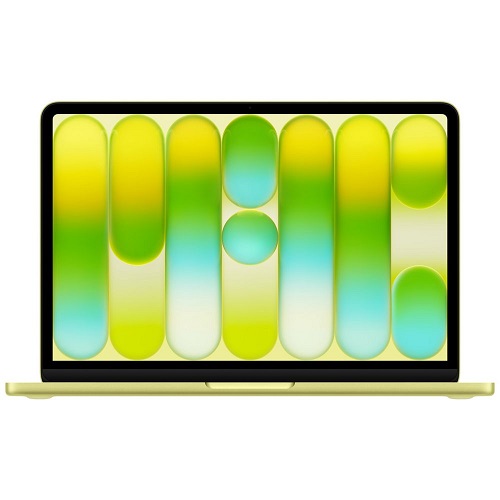
    Apple finally gave the budget‑conscious a Mac. The MacBook Neo, a 13‑inch, fanless laptop priced at $599, runs the same A18 Pro silicon that powers the iPhone 16 Pro. It’s a solid performer for web browsing, video calls and even occasional video edits, all wrapped in a sleek aluminum shell and a 500‑nit Liquid Retina screen. Apple markets it as the “best laptop in its price range,” and for many students and casual users that claim holds water.

    But the Neo arrives with a 20W USB‑C power brick (except in the UK and EU, where Apple ships it charger‑less). Apple’s spec sheet calls the machine “not fast‑charge capable,” a line that feels like a polite way of saying, “Don’t expect miracles.” Still, the real world tells a different story.

    The Charger Lab Test

    ChargerLAB put the Neo through a quick charge‑speed test. With the stock 20W adapter, the laptop tops out at about 18 W of input. Swap in Apple’s 35W Dual‑USB‑C Port Compact Power Adapter, $69 on Apple.com and the Neo drinks 30W. The difference translates to roughly a 20‑30‑minute shave off a full charge, a noticeable gain when you’re racing between classes or meetings.

    Apple’s higher‑wattage offerings, 96W and 140W GaN bricks, don’t push the Neo any harder. The laptop’s internal charging circuitry caps at about 30 W, so those pricey chargers are essentially overkill.

    What It Means for Buyers

    • If you stay in Apple’s ecosystem: Grab the 35W adapter. It’s the sweet spot, fast enough without the premium price tag of the 96W or 140W models.
    • If you’re willing to look elsewhere: Third‑party 30W‑plus chargers from brands like Campad Electronics hit the same 28‑30W ceiling for less cash.
    • If you’re a purist: The Neo’s 20W brick will get the job done; you’ll just wait a bit longer.

    The Bigger Picture

    Apple’s decision to label the Neo “not fast‑charge capable” is more marketing than hardware. The device can accept higher wattage; it’s just not advertised. That aligns with Apple’s broader strategy of tiered performance: the entry‑level Mac gets a modest charge rate, while the Pro line drinks 96W or more without complaint.

    Tim Cook’s brag about “the best launch week ever” is backed by solid sales numbers, but the Neo’s real win is its price‑to‑performance ratio. It’s a Mac that feels premium, runs a flagship chip and, if you pick the right charger, doesn’t leave you tethered to a wall for hours.

    Bottom Line

    The fastest Apple charger you can buy for the MacBook Neo is the 35 W Dual‑USB‑C adapter. Anything above that is a vanity purchase. Pair it with the Neo’s A18 Pro power and you’ve got a surprisingly capable, budget‑friendly Mac that charges quickly enough for most real‑world use cases.

    FAQs

    Is the Neo really not fast‑charge capable, or is Apple just being coy?

    It’s a PR line. The board will sip up to ~30W if you feed it, but Apple won’t brag about it because the entry‑level narrative is “budget, not premium.”

    What charger should I actually buy for a usable charge time?

    The 35W Dual‑USB‑C Compact Power Adapter. Anything lower drags you through a slow‑mo charge; anything higher is a vanity spend.

    Do the 96W or 140W GaN bricks do any good?

    No. The Neo caps at ~30W regardless of the wall‑wart you plug in. Those bricks are for the Pro line, not the Neo. They will charge your Neo but not any faster.

    Can I cheat the system with a third‑party charger?

    Yes. A decent 30W‑plus USB‑C charger (Campad, Anker, etc.) hits the same ceiling for less cash. Just avoid the cheap, under‑spec 18W bricks.

    How much time do I actually save with the 35W adapter versus the stock 20W?

    Roughly 20‑30 minutes on a full charge, enough to make a difference between “late for class” and “on time for the meeting.”

    Does the Neo’s A18 Pro chip justify the $599 price tag?

    For web browsing, video calls and occasional 1080p edits, absolutely. It’s a flagship silicon die in a budget chassis, which is the sweet spot Apple finally hit.

    Is the 500‑nit Liquid Retina screen a gimmick at this price?

    No. It’s a genuine Retina panel, bright enough for indoor work, color‑accurate enough for casual photo tweaks and still a step up from the typical budget laptop display.

    Will the Neo’s fanless design throttle under load?

    It will modestly throttle during sustained heavy workloads, but the A18 Pro’s efficiency keeps it usable for most “real‑world” tasks without overheating.

    Should I buy the Neo if I’m already deep in the Apple ecosystem?

    Yes, grab the 35W adapter, enjoy the seamless hand‑off and you’ll have a Mac that feels premium without breaking the bank.

    Is the Neo a good long‑term investment or will it become obsolete quickly?

    Apple’s silicon roadmap means the A18 Pro will get software updates for years. It’s a solid entry point that won’t feel ancient in three‑plus years.

  • Transform Your Workspace with the 15W Recessed Mounted Wireless Charger from Campad Electronics

    Transform Your Workspace with the 15W Recessed Mounted Wireless Charger from Campad Electronics

    A Clean, Powerful Charging Solution for Modern Workspaces

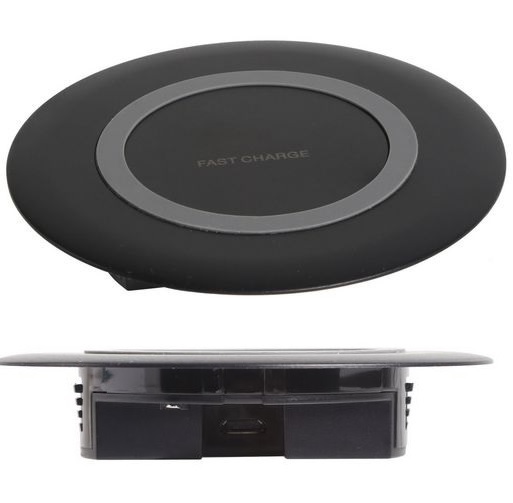
    Efficiency and aesthetic appeal go hand in hand. The 15W Recessed Mounted Wireless Charger from Campad Electronics combines sleek design with high-performance charging technology, offering a streamlined solution to keep your devices powered throughout the day. Designed to be installed flush into desks, conference tables or countertops, this recessed charger lets you turn your desk into a wireless charger with ease, eliminating clutter while adding modern convenience.

    Design That Fits Seamlessly into Any Space

    The recessed mounted wireless charger is made for those who value both functionality and design. It installs into a standard 60mm hole, making it ideal for office setups, coworking spaces, boardrooms or even home offices. The slim 15mm profile sits nearly flush with the surface, while the rubber ring provides a snug and stable fit.

    Available in classic black or white, the charger blends beautifully with any desk or table aesthetic, so you can make your desk a wireless phone charger without compromising on style.

    Fast and Efficient 15W Wireless Charging

    Equipped with a high-efficiency chipset, this desk mounted recessed wireless charger delivers up to 15W of output for fast, convenient charging. It’s Qi-compatible, supporting the latest Apple iPhones and other Qi-enabled smartphones. Its intelligent power management automatically adjusts output between 5W, 7.5W, 10W and 15W for optimal charging, ensuring safe, reliable performance for every device.

    Included with the charger is a Qualcomm QuickCharge 3.0 wall adapter and a 1m USB-C cable, giving you everything you need to get started.

    With make your table a wireless charger solutions like this, you can say goodbye to tangled cables and hello to seamless power.

    Comprehensive Safety and Smart Protection

    The charger includes multiple protection layers for peace of mind:

    • Over-voltage and over-current protection
    • Over-temperature protection
    • Short-circuit protection
    • These intelligent systems maintain a safe and efficient charging experience, ensuring both your device and charger remain in top condition.

    The shell is constructed from eco-friendly ABS + PC materials, offering a durable and environmentally responsible design.

    Compatible with a Broad Range of Devices

    This recessed mounted wireless charger supports a wide variety of Qi-enabled devices, including:

    • Apple iPhone: 8/8 Plus, X, XR, XS, XS Max, 11 series, 12 series, 13 series, 14 series, 15 series, 16 series
    • Samsung Galaxy: S6/S6+, S8-S10 series, S24, S25, Note 5/8/9
    • LG and Nexus devices with Qi charging capability
    • Its backward compatibility ensures that even older smartphones benefit from efficient wireless performance.

    Effortless Integration for Home or Office Use

    One of the most appealing advantages of this product is its ability to make your table a wireless phone charger in a matter of minutes. Whether used in shared office environments, hotel counters, coworking hubs or kitchen islands, the flush installation transforms any surface into a high-tech charging zone. With this charger, you can turn your desk into a wireless phone charger and keep your workspace free from cable clutter.

    Explore or purchase the desk mounted recessed wireless charger from Campad Electronics to upgrade your charging experience today.

    Key Specifications

    • Power Input: DC 5V 3A / 9V 1.67A
    • Power Output: DC 5V 1A / 7.5V 1A / 9V 1.12A / 12V 1.25A (15W max)
    • Diameter: 80mm
    • Depth: 15mm
    • Colours: Black or White
    • Inclusions: QC 3.0 wall charger, USB-C cable (1m), instruction manual

    Why Choose the 15W Recessed Mounted Wireless Charger?

    This recessed solution offers the perfect blend of form and function. By integrating power directly into the surface of your workspace, you achieve:

    • A clutter-free desk that’s always orderly.
    • High-speed charging for any Qi-equipped device.
    • A professional and modern appearance ideal for offices or home setups.
    • In short—it’s the easiest way to turn your table into a wireless charger that’s as beautiful as it is practical.

    Frequently Asked Questions (FAQ)

    1. What is a recessed mounted wireless charger?

    A recessed mounted wireless charger is a Qi charging device that installs flush into a surface such as a desk, table or countertop, enabling you to charge compatible devices wirelessly without visible cables.

    2. Can I install this charger into any desk?

    Yes, it’s designed to fit into a standard 60mm hole, which is common for cable grommets in most desks and tables.

    3. Does it support fast charging?

    Absolutely. The 15W output supports fast wireless charging for most modern smartphones, including iPhone and Samsung Galaxy models.

    4. How do I make my desk a wireless charger?

    By installing this recessed mounted wireless charger into a hole on your desk or table, you effectively turn your desk into a wireless charger that powers your phone simply by placing it on top.

    5. Is this wireless charger compatible with iPhones?

    Yes, it supports all Qi-enabled iPhones, from the iPhone 8 up to the latest iPhone 17 series.

    6. What protection features does it have?

    It includes multiple safety protections such as over-voltage, over-current, over-temperature and short-circuit protection to ensure safe and stable charging.

    7. Can I use cases or covers on my phone?

    Yes, as long as the case is not metallic and less than 6mm thick, it should charge efficiently through the case.

    8. What comes in the package?

    The package includes one recessed wireless charging unit, a QC 3.0 wall adapter and a USB-C cable for installation.

    9. How can I turn my table into a wireless phone charger?

    Install the charger into your table surface, connect it to the included power supply and you’ll instantly make your table a wireless phone charger.

    10. Is it safe for continuous use?

    Yes, the intelligent auto-start and stop charging features ensure your device stops charging when full, preventing overheating or power waste.

    11. Can I use this recessed wireless charger in conference tables?

    Definitely. It’s ideal for conference rooms, cafes, hotels and any shared environment where convenient wireless charging is a benefit.

    12. Where can I buy a desk mounted recessed wireless charger?

    You can purchase the desk mounted recessed wireless charger from Campad Electronics directly via their official product page.

    Final Thoughts

    The 15W Recessed Mounted Wireless Charger is more than a gadget, it’s a workspace transformation tool. With elegant design, reliable performance and universal compatibility, it’s the perfect way to turn your desk into a wireless charger that’s both functional and stylish.

    Whether you’re looking to make your desk a wireless charger or upgrade your office with a discreet power solution, this innovation from Campad Electronics truly leads the way.

  • How Businesses Use AI for Financial Forecasting

    How Businesses Use AI for Financial Forecasting

    In today’s rapidly evolving business landscape, artificial intelligence (AI) has become an indispensable tool for enhancing financial forecasting. Businesses leverage AI to analyze vast amounts of data, identify patterns, and generate accurate predictions that drive strategic decision-making. Unlike traditional forecasting methods that often rely on historical data and manual analysis, AI-powered financial forecasting integrates machine learning algorithms and advanced analytics to provide more precise and dynamic insights.

    One of the primary ways businesses use AI in financial forecasting is through predictive analytics. Machine learning models can process structured and unstructured data from various sources such as sales records, market trends, economic indicators, and social media sentiment. By examining these diverse datasets simultaneously, AI systems detect subtle correlations that human analysts might overlook. This enables companies to anticipate future revenue streams, cash flow fluctuations, and potential risks with greater confidence.

    Moreover, AI enhances scenario planning by simulating multiple financial outcomes based on different variables or assumptions. For instance, a company can model the impact of changing interest rates or shifts in consumer demand on its profitability. These simulations help executives prepare for uncertainties by evaluating best-case and worst-case scenarios efficiently. Consequently, businesses are better equipped to allocate resources wisely and implement contingency plans proactively.

    Another significant advantage of using AI in financial forecasting is its ability to improve real-time monitoring. Traditional forecasts are often static snapshots updated periodically; however, AI-driven platforms continuously ingest new information to refine predictions dynamically. This ongoing adjustment allows organizations to respond swiftly to emerging trends or unexpected events such as supply chain disruptions or regulatory changes.

    Furthermore, automation powered by AI reduces the time spent on repetitive tasks like data collection and cleansing. By automating these processes, finance teams can focus more on interpreting results and making strategic recommendations rather than getting bogged down in manual work. Automation also minimizes errors associated with human intervention thereby increasing overall forecast reliability.

    AI tools also facilitate personalized insights tailored to specific industries or business models by incorporating domain expertise into their algorithms. For example, retail companies may benefit from demand forecasting models sensitive to seasonal variations while manufacturing firms might prioritize cost optimization forecasts linked to raw material prices.

    Despite these advantages there remain challenges including data quality issues privacy concerns integration complexities as well as the need for skilled personnel capable of managing sophisticated AI systems effectively . Nonetheless many organizations recognize that embracing Artificial Intelligence for financial forecasting offers a competitive edge enabling them not only survive but thrive amid economic volatility .

    In conclusion , businesses utilize artificial intelligence extensively in financial forecasting by harnessing predictive analytics , scenario simulation , real-time updates , automation ,and customized solutions . These capabilities empower them with actionable insights necessary for informed decision-making ensuring agility , accuracy ,and resilience within their financial operations . As technology continues advancing further adoption will likely deepen transforming how companies plan their fiscal futures fundamentally .

  • Understanding the Relationship Between AI and Business Automation

    Understanding the Relationship Between AI and Business Automation

    The integration of artificial intelligence (AI) into business automation is transforming the way companies operate, offering unprecedented opportunities for efficiency, innovation, and growth. Understanding the relationship between AI and business automation requires a comprehensive look at how these technologies complement each other to streamline processes and enhance decision-making.

    Business automation traditionally involves using technology to perform repetitive tasks without human intervention. This can include anything from automated email responses to inventory management systems. While such automation improves efficiency by reducing manual labor and minimizing errors, it often operates within predefined rules and lacks adaptability. This is where AI steps in, providing the ability to learn, analyze data patterns, and make intelligent decisions that go beyond simple rule-based actions.

    AI enhances business automation by introducing cognitive capabilities such as natural language processing, machine learning, and computer vision. These abilities allow automated systems to interpret unstructured data like customer emails or social media posts, recognize images or videos for quality control, and predict future trends based on historical data. For example, an AI-powered chatbot can handle complex customer inquiries more effectively than traditional scripted bots because it understands context and intent.

    Moreover, AI-driven analytics play a crucial role in optimizing automated workflows. By continuously analyzing operational data, AI algorithms identify bottlenecks or inefficiencies that might not be apparent through manual review. This insight enables businesses to refine their processes dynamically rather than relying on static programming adjustments.

    The synergy between AI and business automation also fosters personalization at scale. Companies can automate marketing campaigns tailored to individual customer preferences identified through AI analysis of purchasing behavior or browsing history. Such targeted approaches increase engagement rates while reducing wasted resources on generic outreach efforts.

    However, integrating AI with business automation comes with challenges that organizations must address thoughtfully. Data privacy concerns arise as more personal information is processed automatically; hence robust security measures are essential. Additionally, employees may feel uncertain about job security when machines take over certain functions-transparent communication about how AI augments rather than replaces human roles is vital for smooth adoption.

    In conclusion, understanding the relationship between AI and business automation reveals a powerful alliance capable of revolutionizing organizational efficiency and innovation. While traditional automation handles routine tasks efficiently through fixed rulesets, incorporating AI introduces flexibility and Artificial Intelligence that adapt processes based on real-time insights. Businesses embracing this combination stand poised not only to reduce costs but also to deliver enhanced customer experiences and maintain competitive advantage in an increasingly digital world.

  • How Technology is Transforming Modern Businesses

    How Technology is Transforming Modern Businesses

    In today’s fast-paced world, technology is the heartbeat of modern businesses. It shapes how organizations communicate, operate, and innovate. From small startups to global giants, companies are leveraging cutting-edge tools to stay ahead of the competition. But what exactly does this transformation look like? Let’s dive into the key advancements that are revolutionizing the way we do business and explore how they’re paving the path for growth and success in an ever-evolving landscape.

    Advancements in communication technology

    Advancements in communication technology have redefined the way businesses interact internally and externally. Gone are the days of relying solely on emails or memos. Today, instant messaging platforms and video conferencing tools allow teams to collaborate in real time, regardless of geographical barriers.

    This evolution fosters a culture of transparency and responsiveness. Employees can share ideas quickly, leading to faster decision-making processes. Additionally, customers benefit from seamless interactions through chatbots and social media channels that provide immediate support. Emphasizing efficiency, these technologies enhance productivity while reducing misunderstandings caused by delayed communications. As companies adopt advanced communication tools, they create a more engaged workforce prepared to adapt swiftly to market changes. Moreover, integrating various channels ensures information flows freely across departments. This synergy not only strengthens team dynamics but also improves overall customer satisfaction as businesses respond promptly to inquiries or feedback.

    Mobile applications and their role in modern businesses

    Mobile applications have become essential tools for modern businesses. They offer streamlined communication between companies and their customers, fostering engagement like never before.

    With a mobile app, businesses can provide instant access to services and information. This convenience enhances customer satisfaction and loyalty. Users appreciate the ease of ordering or accessing support right from their devices. Apps also enable personalized marketing strategies. Businesses can gather data on user preferences and behaviors, tailoring promotions that resonate with individual consumers. Moreover, mobile applications improve operational efficiency. Teams can collaborate in real-time regardless of location, making remote work more productive than ever. As technology continues to evolve, companies leveraging mobile apps will gain a competitive edge in an increasingly digital marketplace. Embracing this trend is no longer optional; it’s crucial for growth and innovation.

    Cloud computing and its benefits for companies of all sizes

    Cloud computing has revolutionized how companies operate, regardless of their size. It offers a flexible and scalable solution that can adapt to the changing needs of any business. One major benefit is cost-efficiency. Companies no longer need to invest heavily in hardware. Instead, they can pay for only what they use through subscription models.

    Accessibility is another advantage. Employees can access files and applications from anywhere with an internet connection. This fosters collaboration among teams, even if they’re miles apart. Moreover, cloud services enhance data security. Providers often implement advanced encryption and backup solutions that smaller businesses may struggle to afford on their own. The ability to quickly deploy new applications also gives businesses a competitive edge. This agility allows them to respond faster to market demands or customer feedback without lengthy delays in development processes.

    The importance of adapting to technological changes

    Adapting to technological changes is not just an option; it’s a necessity for modern businesses. The rapid pace of innovation means that companies must stay agile and responsive. Those who resist change often find themselves left behind.

    Embracing new technologies allows organizations to streamline operations, improve customer experiences, and enhance overall efficiency. It’s about more than just adopting the latest gadgets or software; it involves fostering a culture that encourages continuous learning and development.

    Companies that invest in training their staff on new tools will see significant rewards. Employees become more productive and engaged when they feel equipped with the right skills. This adaptability can also lead to better problem-solving capabilities within teams. Moreover, understanding market trends driven by technology helps businesses anticipate shifts in consumer behavior. By staying attuned to these changes, companies can pivot quickly and maintain relevance in their industries. In this fast-paced environment, those who embrace technological advancements are positioned for success while ensuring they meet evolving customer needs effectively. Embracing change isn’t merely a strategy; it’s essential for survival in today’s competitive landscape where technology keeps transforming how we do business.