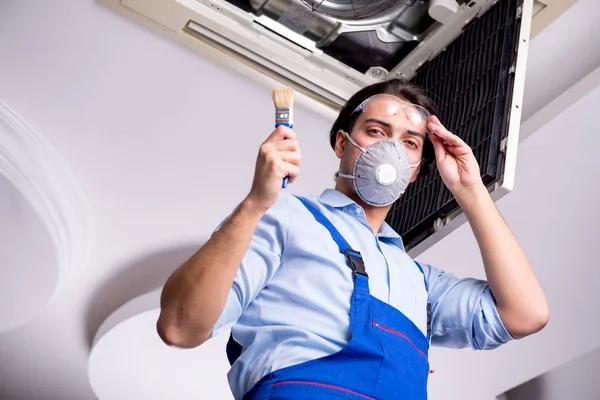
When considering the maintenance of your HVAC system, a pivotal decision often arises: should you repair or replace it? This dilemma is common among homeowners and business owners seeking to ensure comfort while managing costs. While both options have their merits, there are scenarios where repairing an existing unit makes more sense than opting for a complete replacement.
Firstly, consider the age of your HVAC system. If your unit is relatively new—typically less than 10 years old—it may be more economical to repair it rather than replace it entirely. Modern HVAC systems are designed with durability in mind and can last up to 15-20 years with proper maintenance. When issues arise within this timeframe, they might be minor and easily fixable without incurring the high costs associated with purchasing a new system.
check the site problem also plays a critical role in deciding whether to repair or replace. Some issues are straightforward and inexpensive to fix, such as replacing belts or cleaning filters. These repairs do not require significant investment but can restore your system’s efficiency significantly. On the other hand, if problems like compressor failure occur frequently but are isolated incidents rather than systemic failures, repairs might still be viable.
Energy efficiency is another crucial factor to consider when evaluating repairs over replacement. Older units tend to lose efficiency over time; however, if your current system still operates efficiently after minor fixes and regular servicing, repairing could extend its lifespan effectively without compromising on performance. Investing in energy-efficient upgrades during repairs can further bolster this decision by reducing operational costs over time.
Financial considerations cannot be overlooked when making this choice. Repairing an HVAC unit generally incurs lower immediate expenses compared to purchasing a new one outright—a significant advantage for those working within tight budgets or facing unexpected breakdowns outside planned upgrade cycles.
Environmental impact also influences many decisions today; choosing repair over replacement aligns with sustainable practices by minimizing waste generation associated with discarding old equipment prematurely while conserving resources used during manufacturing processes involved in producing entirely new systems from scratch.
Lastly yet importantly comes personal preference based on familiarity: some users prefer sticking with known technologies they’ve grown accustomed too instead jumping onto newer models which may involve learning curves along potential compatibility issues regarding existing infrastructures (ductwork etc.).
In conclusion then ultimately boils down individual circumstances weighing factors mentioned above carefully before arriving at informed decision best suited specific needs preferences ensuring optimal balance between cost-effectiveness sustainability overall satisfaction derived continued use reliable well-maintained HVAC systems tailored meet unique requirements each household business alike!