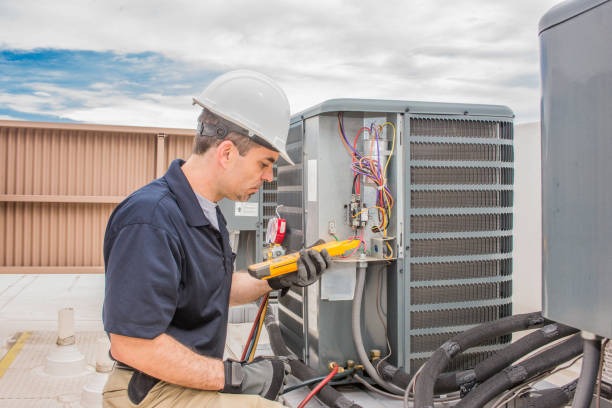
Planning your property maintenance effectively involves a keen focus on the HVAC system, which plays a crucial role in ensuring comfort and energy efficiency in any building. An HVAC system, responsible for heating, ventilation, and air conditioning, requires regular maintenance to function optimally. Proper planning can help prevent unexpected breakdowns and extend the lifespan of your equipment.
To start with, understanding the components of your HVAC system is essential. This includes knowing how each part functions and its typical lifespan. Regular inspections are vital; they help identify potential issues before they become major problems. It’s advisable to schedule professional inspections at least twice a year—once before summer to ensure cooling efficiency and once before winter for optimal heating performance.
During these inspections, technicians will check critical components such as filters, coils, ducts, and thermostats. Filters should be replaced or cleaned regularly since clogged filters can reduce airflow efficiency significantly. Clean filters not only improve air quality but also enhance system performance by reducing strain on the equipment.
Coils should also be inspected for dirt buildup which can impede heat exchange processes. Dirty coils force the system to work harder than necessary leading to increased energy consumption and wear on parts. Similarly, ducts need periodic explore more examination for leaks or blockages that can disrupt airflow balance throughout the property.
Thermostats play an important role in maintaining desired indoor temperatures efficiently. Ensuring that thermostats are functioning correctly helps avoid unnecessary energy usage when rooms are unoccupied or during off-peak hours.
Incorporating smart technology into your property maintenance plan could provide significant benefits too. Smart thermostats offer advanced features like remote access through mobile devices allowing you to adjust settings from anywhere at any time thus optimizing energy use based on occupancy patterns within different areas of your building.