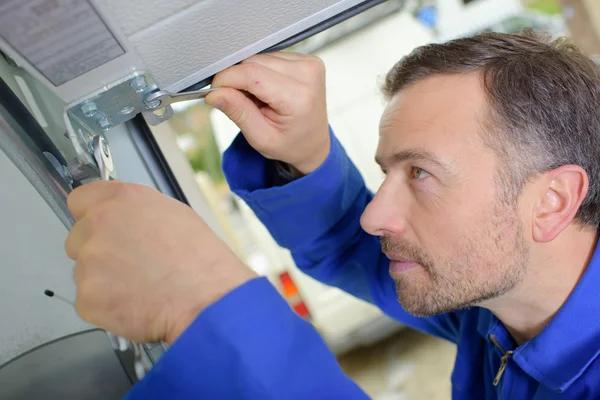
Installing a garage door may seem like a straightforward task, but it requires careful attention to detail and proper technique to ensure safety and functionality. One of the most common mistakes during garage door installation is neglecting accurate measurements. Failing to measure the opening correctly can lead to doors that do not fit properly, causing operational issues or gaps that compromise security and insulation. It is essential to double-check all dimensions before purchasing or installing any components.
Another frequent error involves improper handling of the springs. Garage door springs are under significant tension, and incorrect installation can result in serious injury or damage. Many homeowners underestimate the risks associated with torsion or extension springs, attempting DIY installation without adequate knowledge or tools. Hiring a professional for spring adjustment is often safer and ensures correct tensioning for smooth operation.
Garage Door Installation
Skipping the step of leveling the tracks also causes problems down the line. The metal tracks guide the door’s movement, so they must be perfectly aligned vertically and horizontally. Misaligned tracks can cause uneven wear on rollers, increase noise during operation, or even derailment of the door panels. Taking time to secure tracks firmly in place while maintaining level alignment helps avoid these complications.
Inadequate weatherproofing read more here represents another overlooked issue during installation. A poorly sealed garage door allows drafts, moisture, dust, and pests inside the garage space while reducing energy efficiency in connected living areas. Installing appropriate weatherstripping around edges and ensuring tight seals between panels protects against environmental elements effectively.
Failing to test safety features after installation compromises user protection significantly. Modern garage doors come equipped with sensors designed to detect obstacles beneath them when closing; ignoring calibration of these devices increases risk of accidents involving children or pets accidentally trapped underneath moving doors. Testing auto-reverse mechanisms thoroughly before regular use guarantees compliance with safety standards.
Choosing low-quality hardware might save money initially but leads to premature wear and unexpected repair costs later on. Investing in durable materials such as galvanized steel tracks and rust-resistant fasteners extends lifespan considerably compared with cheaper alternatives prone to corrosion or breakage under stress.
Finally, rushing through any stage without following manufacturer instructions precisely often results in incomplete assembly or malfunctioning parts that affect overall performance negatively over time.
By avoiding these common pitfalls-incorrect measurements, mishandling springs, unlevel tracks, poor weatherproofing, neglecting safety tests, using inferior hardware, and disregarding guidelines-you ensure your garage door operates smoothly for years while maintaining safety standards essential for every household environment.
Superior Overhead Doors
907 Fields Dr, Sanford, NC 27330
919-776-4851