Foundation settlement is a common issue that can lead to serious structural problems if not identified and addressed promptly. Accelerated foundation settlement occurs when the ground beneath a building shifts or compresses more rapidly than anticipated, causing uneven support for the structure. Recognizing early signs of this problem can save homeowners and property managers significant time, money, and stress by allowing timely intervention before major damage occurs.
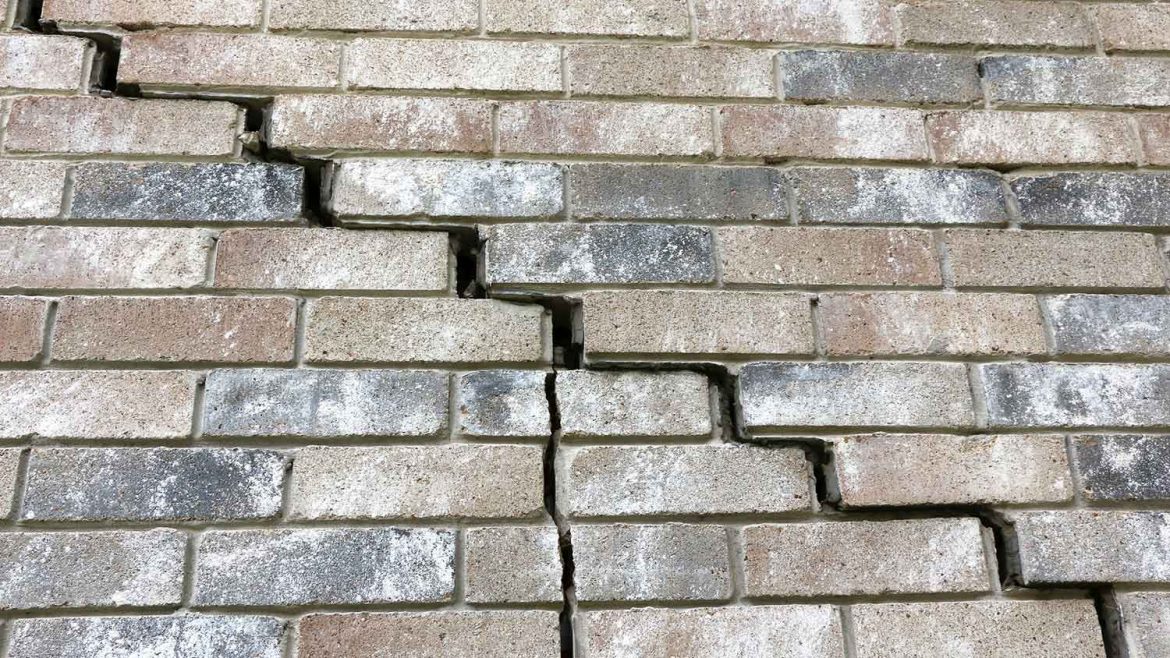
One of the first indicators of accelerated foundation settlement is the appearance of cracks in walls, floors, or ceilings. These cracks often start small but may widen over time as the foundation continues to shift. Horizontal cracks in basement walls are particularly concerning because they suggest lateral pressure from soil movement or settling issues. Vertical or diagonal cracks around door frames and windows also indicate that parts of uncover the secrets building are moving independently due to uneven settling.
Doors and windows that suddenly become difficult to open or close properly can signal foundation problems as well. When a house settles unevenly, it causes frames to warp slightly out of shape, leading to sticking doors and misaligned window sashes. This issue might be subtle at first but tends to worsen with ongoing movement beneath the structure.
Another sign worth monitoring is uneven flooring throughout a home. If floors begin sloping noticeably from one side of a room to another or develop soft spots where boards feel springy underfoot, these conditions may result from shifting soil affecting floor joists and supports attached directly to the foundation.
Gaps appearing between walls and ceilings or between baseboards and floors also point toward foundational changes within a building’s frame. These separations occur because different parts settle at varying rates instead of remaining level together.
Water pooling near foundations during rainstorms suggests drainage problems that could accelerate soil erosion around footings-this erosion reduces support capacity underneath foundations leading directly into accelerated settlement scenarios.
It is important for homeowners experiencing any combination of these symptoms not only to observe them closely but also seek professional evaluation quickly. Structural engineers or qualified foundation specialists use specialized equipment like laser levels, plumb bobs, crack monitors, and soil testing tools designed specifically for diagnosing settling issues accurately before visible damage becomes severe.
Early detection allows corrective measures such as underpinning foundations with piers or slabs reinforced with additional supports inserted beneath compromised areas preventing further sinking while maintaining structural integrity safely without extensive rebuilding costs later on.
In summary, identifying accelerated foundation settlement involves watching for cracking patterns in masonry elements; difficulty operating doors/windows; uneven floors; gaps forming inside rooms; plus monitoring water accumulation near exterior bases combined with prompt expert consultation ensures minor concerns do not escalate into catastrophic failures requiring costly repairs down the line.